Dialing in your short game can really change how you play golf. If you keep losing shots around the green, building a structured short game practice routine can really help. Whether you want to shave a few strokes off your round or just stop dreading bunker shots, I’ve got you covered with a plan that makes practicing both fun and productive.
Why a Short Game Practice Routine Matters
Short game isn’t just about chipping and putting; it’s the key to lower scores and more confidence under pressure. Most golfers new to building routines focus on full swings and forget that up to 60% of their shots happen from 100 yards and in. Spending time on this part of the game is a smart way to get better results quickly.
Golf pros always say their secret weapon is a dialed-in short game. If you look at professional stats, players with efficient short games save par way more often. That adds up over a round. Even for recreational golfers, making a few more up and downs each round is super motivating, and that’s why creating a routine makes a ton of sense.
Getting Set Up for Productive Practice
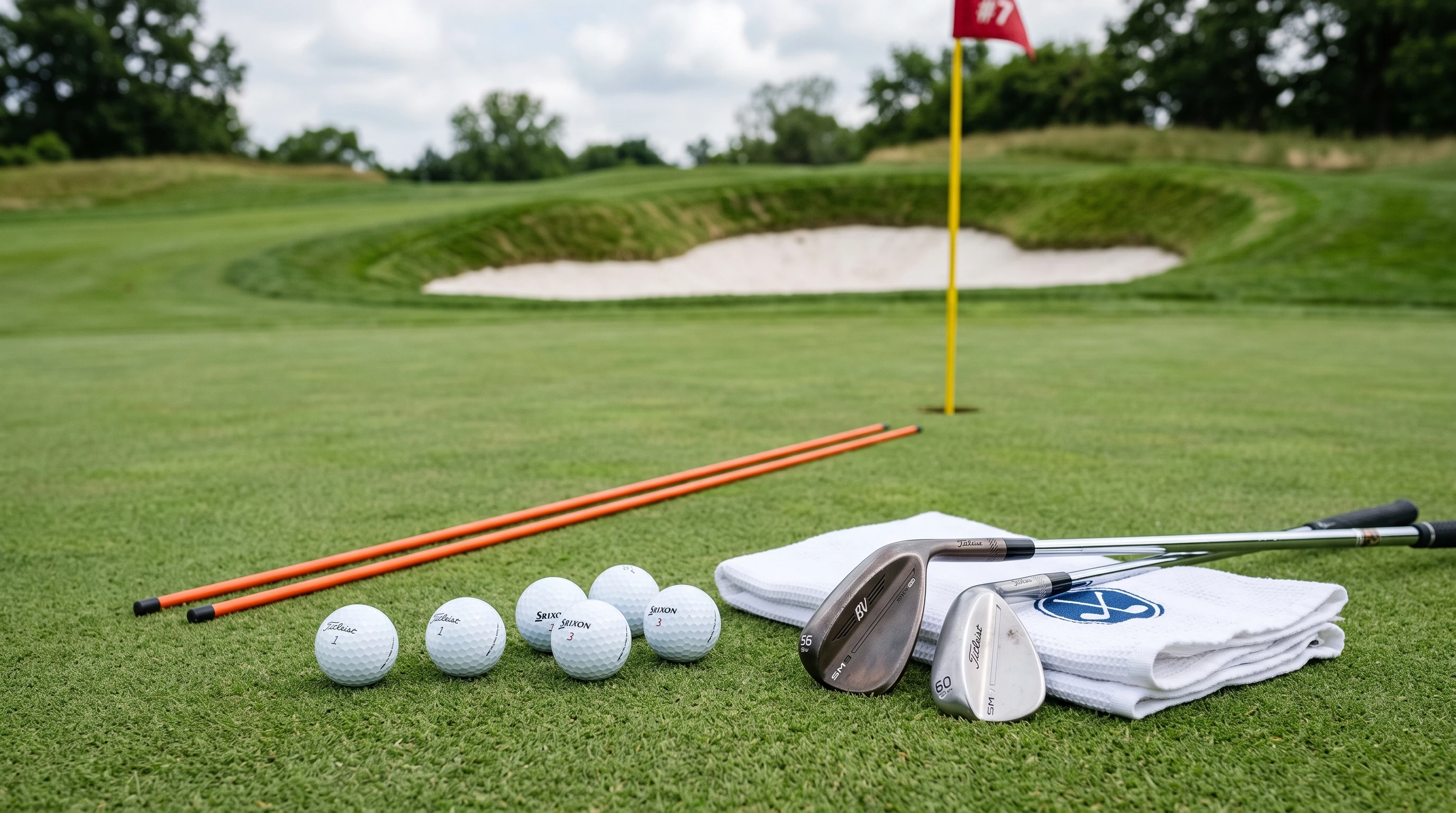
Putting together a useful short game practice routine doesn’t need to be fancy or expensive. Simple equipment and a smart plan will go a long way. Here’s what I usually take to the practice area:
- Several golf balls: More reps, less wasted time walking back and forth.
- Pitching wedge, sand wedge, and putter: I like having options depending on what area of my game I want to work on most.
- Alignment stick or chalk: These help me with setup and aim.
- Bucket or towel: This is great for targeting chips or helping with distance control drills.
Before getting started, I find a small green area with a decent variety of lies – fringe, rough, and a bunker if possible. Mixing things up is super important for developing touch and learning how to handle whatever you find out on the course. If you don’t have a course near you, parks or your own backyard can work to keep your short game sharp by simulating different lies with creative setups.
Chipping Drills: Building Touch and Feel
Chipping is one of those parts of the game almost everyone wishes they were better at. The key to becoming more confident is practicing with a purpose. Here are a few drills I find really useful:
- Ladder Drill: I set up targets (usually towels or coins) at several distances away from the edge of the green. I try to land each chip on a different target in order. This helps with feel for distance and nerve under pressure.
- OneClub Challenge: Using just my sand wedge or pitching wedge, I try to chip to several different pins and lies without changing clubs. This teaches creativity and helps me think through different shot options.
- Up and Down Competition: I drop balls in different spots around the green and try to get up and down in two shots or less. Keeping score adds a nice challenge and simulates on-course nerves.
You’ll find that spending just fifteen to twenty minutes on these drills can deliver a noticeable boost after only a few practice sessions. Try switching clubs regularly or adding trickier lies to see fast progress in chipping.
Putting Drills That Actually Work
Practicing putting is often skipped because it feels less exciting than smacking drivers, but if you want to lower your scores, there’s nothing more effective. Here’s how I keep my putting practice interesting and game-like:
- Circle Drill: I set down six balls in a three-foot circle around a hole. I go around the circle, putting each ball in. Missing means I start over. This builds confidence in those really important short putts.
- Lag Putting Challenge: For longer putts, I work on distance control by putting from 30, 40, and 50 feet, trying to stop each ball within a three-foot “safe zone.” Good lag putting is super important for avoiding three-putts.
- Random Routine: I never practice putts in the same order or location. Making each putt different keeps my focus sharp and helps prepare me for real on-course situations.
Mixing up my putts and keeping score really helps with tracking progress. If you get bored quickly, grab a friend and turn it into a game or mini-tournament. Sometimes, a little competition keeps you focused and can simulate pressure similar to what you face on the course, giving your putting practice some extra intensity.
Bunker Basics: Getting Comfortable in the Sand
For a lot of players, bunkers are a total mystery. I used to dread landing in the sand until I started spending time practicing these shots. Here’s how I approach bunker practice to make it less intimidating:
- Draw a Line Drill: I draw a line in the sand about two inches behind a ball and practice splashing the sand out, focusing on hitting the line, not the ball. This helps train the right entry point for consistent shots.
- Pick a Landing Spot: I pick a spot on the green where I want my bunker shot to land and practice hitting balls to that point, rather than aiming at the hole. This habit is really important for distance control.
- Vary the Lies: To make things more realistic, I give myself buried and clean lies, learning how to adjust my stance and swing for each one. For really tough lies, experiment with opening the clubface more or less.
Spending even just ten minutes a practice session in the bunker can reduce nerves and make escaping from sand a routine moment instead of a disaster. If you don’t have a sand trap available, use an area with deep grass or a sandbox at home as a substitute to work on the motion and approach, so you’re not caught off guard during a real round.
Structuring a Full Practice Session
Putting all these drills together into a routine makes my practice far more efficient. Here’s what a typical 60-minute session looks like:
- 10 minutes: Chipping with different clubs from mixed lies
- 10 minutes: Up and down competition from the fringe and rough
- 10 minutes: Short putting with the circle drill and 3-footers
- 10 minutes: Lag putting with the safe zone target
- 10 minutes: Bunker practice (if there’s a bunker available)
- 10 minutes: Finish with a game – maybe trying to get up and down five times in a row or making five 5-foot putts in a row
I always end with a little on-the-spot competition or challenge to keep things spicy and simulate real pressure. If you want to go longer, just add another round of any drill you like best. Try bringing a friend along for added competition which can simulate real match play, or use a scoring app if you want to track progress over time.
Tips to Maximize Progress
- Set Goals: Going into practice with clear goals gets you focused and motivated. Maybe one day you want to hit every chip inside three feet or make 20 in a row from three feet.
- Track Results: Keeping notes on what you’re working on and what’s improving is super useful. Use your phone or a small notebook to jot down outcomes or thoughts.
- Stay Consistent: Practicing short game even once or twice a week, even for thirty minutes, can have a big impact. Frequent, shorter sessions are better than a once in a while marathon.
- Mix In Some Variety: Add new drills or variations every few weeks. This keeps you engaged and helps develop more wellrounded skills. Try different putting lines or alternate clubs for chipping to broaden your abilities.
What Beginners Need to Know
It’s easy to feel overwhelmed when you start working on your short game. Here are a few basics that helped me get unstuck:
- Chipping Fundamentals: Use a narrow stance, lean your weight forward, and focus on brushing the grass under the ball rather than scooping. Consistency with this simple approach is key.
- Putting Setup: Keep your eyes right over the ball and practice making a smooth pendulum stroke. Also, pay attention to grip pressure and keep it light to improve feel on short putts.
- Bunker Setup: Open your clubface a bit, dig in your feet, and remember you’re aiming to hit the sand under the ball first. A smooth, confident swing works much better than trying to help the ball out.
Watching videos online or working with a local teaching pro can be pretty handy for getting feedback, but regular, mindful practice is really what helps things stick. Don’t be afraid to ask other golfers or instructors for tips if you’re stuck. Most golfers are happy to share their own bunker survival strategies or putting tricks. The key is to keep experimenting and learning every week.
Frequently Asked Questions
Question: How much of my practice time should be spent on short game?
Answer: If you’re really looking to lower your scores, half your practice time or even more on chipping, pitching, putting, and bunker shots is worth considering. Pros usually spend a big chunk of their practice around the green.
Question: What’s the best way to practice short game alone?
Answer: Focus on simple drills with a scoring element, like the circle drill for putting or the up and down challenge for chipping. Making it a game against your own best score keeps things fresh. Challenge yourself with different targets each session to keep improving.
Question: I don’t have access to a full practice facility. Any suggestions?
Answer: Get creative! Chipping into a laundry basket in your backyard or working on putting stroke on a carpet at home helps. You can always find ways to practice the fundamentals, even without a fancy practice green. Try using chalk or tape on your home floor to set targets for putting drills or try different mats to simulate lies. Even limited space can offer plenty of opportunities to get into the groove.
Final Thoughts
A good short game practice routine doesn’t need to be complicated to work. Planning focused sessions and tracking your progress pays off way faster than just hitting random chips and putts. I’ve found it’s the simplest routine I can actually stick to that gives the best results; so keep things fun and you’ll see improvement before you know it. Enjoy your time on the practice green and watch those scores drop. If you stay patient and stick with your plan, your confidence and skills around the green will rise to a whole new level.